

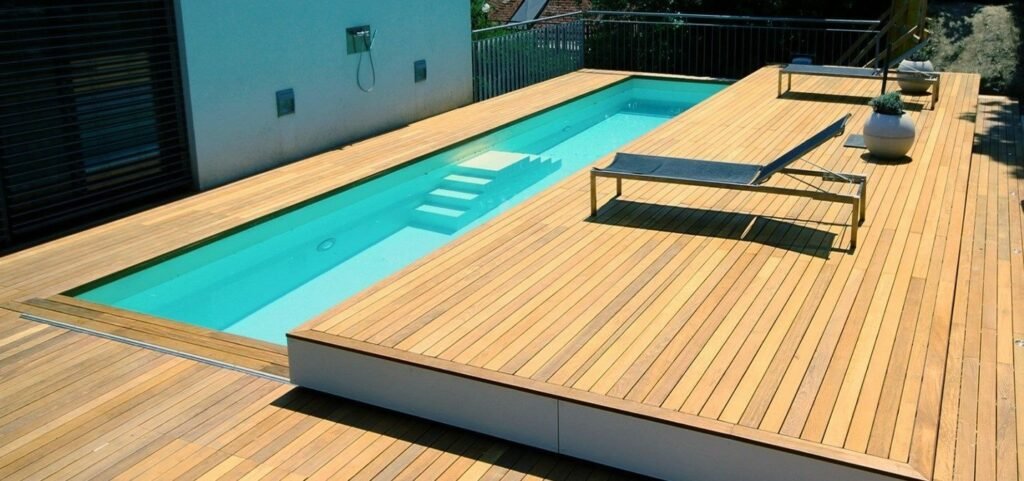
Swimming Pool Decks are more than just the area around your pool. They shape the look, comfort, safety, and usability of your entire outdoor space. A well-planned pool deck can turn a simple swimming area into a relaxing, attractive, and long-lasting retreat for family and guests.
Introduction
If you are planning a new pool or upgrading an existing one, the deck deserves as much attention as the pool itself. The right deck material, layout, and finish can improve safety, reduce maintenance, and make your pool area feel more premium. In warm climates and busy family homes, a smart deck design also helps control heat, slipping, and wear over time.
Many homeowners focus only on the pool shape or water features, but the surrounding deck often has the biggest impact on daily experience. Whether you want a clean modern look, a resort-style space, or a practical family-friendly area, the deck is where design and function meet. That is why choosing the right solution for Swimming Pool Decks matters so much.
Why pool decks matter
A pool deck is the transition zone between water and the rest of your landscape. It needs to handle wet feet, sun exposure, furniture, foot traffic, and regular cleaning without losing appeal. At the same time, it should complement the architecture of your home and fit the style of your outdoor area.
Safety is one of the biggest reasons pool decks are important. A good deck surface should reduce slipping, stay reasonably cool under the sun, and provide enough grip for children and adults. The deck also needs proper drainage so water does not collect and create hazards or damage.
Another major benefit is visual balance. A thoughtfully designed pool deck frames the pool, defines seating areas, and creates a more polished outdoor environment. When done well, it makes the whole property feel more complete and valuable.
Best deck materials
Choosing the right material is one of the most important decisions in pool deck planning. Each option has strengths, and the best choice depends on budget, climate, style preference, and maintenance tolerance. Popular Swimming Pool Decks materials include concrete, pavers, natural stone, composite decking, and wood.
Concrete is one of the most common choices because it is affordable, versatile, and easy to shape. It can be brushed, stamped, or colored to create different finishes, but it may need sealing and can get hot in strong sun. Pavers offer more design variety and are easier to replace individually if damaged, which makes them a practical long-term option.
Natural stone creates a premium appearance and works well for luxury homes or resort-style outdoor spaces. Materials like travertine and sandstone are often chosen for their elegant finish and natural texture. Composite decking is another popular choice for homeowners who want a lower-maintenance surface with a clean, modern look. Wood can also look beautiful, but it typically requires more upkeep to protect it from moisture and weather.
Design ideas to consider
The most successful pool deck designs are both beautiful and functional. A large open deck works well if you want space for loungers, tables, and social gatherings. On the other hand, a layered or zoned layout can separate dining, relaxing, and walking areas more effectively.
Color choice also plays a big role. Lighter shades can make the area feel bigger and cooler, while darker tones can create a more dramatic, upscale feel. Texture matters too, since a slightly rough or non-slip finish is usually better around water than a glossy surface.
You should also think about how the deck connects to the rest of your landscape. A deck that flows smoothly into lawn areas, garden paths, or pergolas creates a more natural outdoor experience. Curved edges, planter borders, and built-in seating can make the space feel custom and inviting.
Safety and comfort
Safety should never be treated as an afterthought in poolside design. Wet surfaces, barefoot traffic, and strong sunlight can create problems if the materials and layout are not planned properly. Good Swimming Pool Decks should minimize these risks without sacrificing style.
Slip resistance is one of the most important features to consider. Textured finishes, grout lines, and naturally grippy surfaces help improve traction. Proper slope and drainage are also essential so water runs away from the pool deck instead of pooling in one place.
Comfort is equally important, especially in hot-weather regions. Some materials absorb more heat than others, so it helps to select a surface that stays manageable underfoot. Shade structures, umbrellas, and strategic planting can also reduce heat buildup and make the deck more enjoyable throughout the day.
Maintenance and durability
A pool deck should look good not just on day one, but for years after installation. Durability depends on the material, installation quality, and how well the surface is maintained. Choosing the right option upfront can save a lot of time and money later.
Concrete and pavers generally offer solid durability, but they may need occasional repairs, sealing, or cleaning to keep their appearance fresh. Natural stone can last a long time when installed correctly, though some stones require more care than others. Composite decking often appeals to homeowners who want a lower-maintenance solution that resists rot and fading better than many natural materials.
Regular maintenance also helps prevent small issues from becoming bigger ones. Sweeping debris, washing away dirt, checking drainage, and inspecting joints or cracks can extend the life of the deck. A well-kept deck not only performs better but also keeps the entire pool area looking inviting.
Choosing the right design
The best deck design depends on how you plan to use the space. If your pool is mainly for family use, safety and easy cleaning may matter most. If you entertain often, you may want extra seating space, wider walkways, and room for outdoor dining.
Budget is another major factor. A premium material may offer the best look, but a more affordable surface can still deliver excellent results if the layout and finish are well planned. The key is to balance initial cost with long-term maintenance and replacement needs.
Climate should also guide your decision. In hot, sunny regions, cooler and more slip-resistant surfaces are often better choices. In areas with heavy rain or humidity, drainage and moisture resistance become especially important. A good contractor or design expert can help match the deck to your site conditions and lifestyle.
How Shivaah can help
If you are exploring Swimming Pool Decks for your home or commercial property, Shivaah.com can be a useful starting point for inspiration and planning. Their services and design approach can help you think about how to create a poolside space that feels attractive, practical, and suited to your needs. A strong design plan makes it easier to choose the right material, layout, and finishing details before construction begins.
For a related service page on your site, you can add this Swimming Pool Solutions. This helps users move naturally from inspiration to your main offerings and also supports internal SEO structure.
Houzz swimming pool deck materials guide. It provides a helpful overview of common material choices and considerations for poolside spaces.
Conclusion
A great pool deck does much more than surround a swimming pool. It improves safety, adds comfort, supports the design style of the property, and makes the whole outdoor area easier to enjoy. When you choose the right materials and layout, Swimming Pool Decks become a lasting investment in both beauty and function.
Whether you are building from scratch or upgrading an older pool area, focus on durability, slip resistance, drainage, and visual harmony. With the right planning, your pool deck can become one of the most used and most appreciated parts of your home.